The United Kingdom is home to some of the world’s most charming and historically significant buildings. And many of them bring millions of pounds into the country through tourism. They’re our heritage. Our nation’s legacy. So it’s vitally important these listed buildings are preserved for generations to come.
Understanding the needs of older buildings
Unlike modern builds, which are often built using easy-to-source, mass-produced materials, older buildings were constructed in line with the architectural styles of the time, with materials that are either not used, hard to source or expensive today. With this in mind, old buildings must be restored using the same products (or as close as possible) to maintain the original’s structural integrity, charm and historical accuracy.
Furthermore, if the building is listed, planning permission is required before you make any internal or external changes.
Traditional techniques and materials
Traditional building materials, including lime rendering, have been popular for centuries, and for good reason. Lime rendering, for example, is natural more eco-friendly, easy to source, versatile, and breathable. In short, it’s a great material, and increasingly used in modern architecture, too.
And breathability is key. Unlike modern building materials like cement which trap and hold moisture, lime rendering absorbs and releases it, meaning the building can “breathe”, reducing the chances of damp and mould affecting its structure. Either way, it’s important to source and use materials that match the originals construction.
Common renovation practices for older buildings
When you start a renovation project on an older building, you’ll encounter some common challenges:
Pointing and repointing
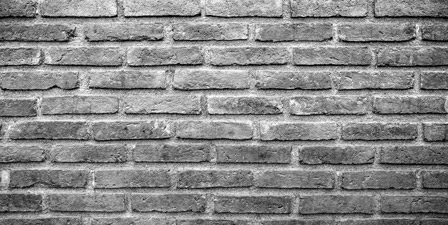
Improves the aesthetics of a period building. Lime mortar is essential to maintain the look, feel, and breathability of the original building materials.

Roof maintenance
Traditional roofs like slate and thatch face challenges. Thatchers are scarce, driving up demand. Additionally, period slate is often thinner than modern versions, making it delicate and time-consuming work.

Woodwork and joinery
Period renovations prioritise original wood (stairs, windows, floors, beams). This often requires conservation-grade timber and techniques like splicing (joining shorter pieces for longer elements).
The vital role played by skilled professionals
The needs of old buildings are unique, so if you only have experience with modern practices, you need to hire specialists with expertise in historical building conservation. Their know-how is crucial in preventing you from using the wrong materials or causing damage to the existing structure.
Conclusion
Using traditional techniques and materials to renovate older buildings will preserve the history and you’ll also encounter fewer stumbling blocks and less red tape along the way. Get the renovation right and you’re helping to safeguard the building for generations to come.
For more information on renovating listed buildings, read our article, Honouring the Past, Enhancing the Future: Renovating Listed Buildings with Care.
Need support with your building renovation?
At Charles Clarke & Sons, we have a proven track record of fully project-managing, maintaining and renovating older buildings.
If you need advice or support, get in touch


